
The Science of Sleep: Why Apple Trees Need a Cold Winter
When winter settles in and the orchard looks quiet and still, it’s easy to think nothing much is happening. But beneath the bare branches, our apple trees are hard at work—sleeping, resetting, and preparing for the season ahead. Just like people need proper rest to function at their best, apple trees rely on a period of cold weather to produce healthy blossoms and a bumper crop of fruit. This winter “sleep” is guided by something growers call chill hours.
What Are Chill Hours?
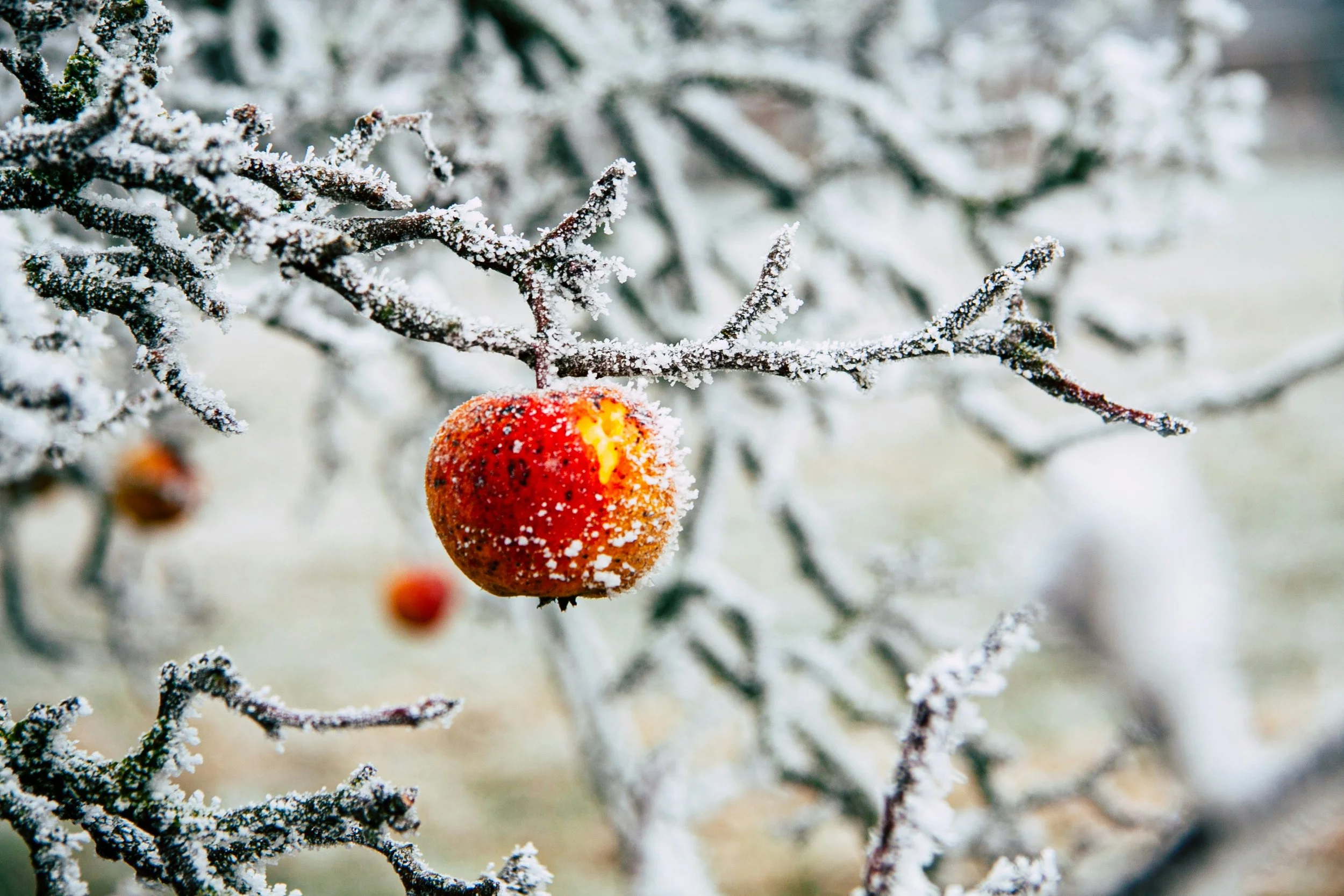
Chill hours are the number of hours a fruit tree experiences temperatures below 7°C during its dormant season, typically from late autumn through winter. Apple trees require a specific amount of these cold hours to properly reset their internal growth cycles.
During this cold period, the tree’s buds go through important physiological changes. Without enough chill hours, buds may open unevenly—or not at all—leading to poor flowering, reduced fruit set, and lower yields in autumn.
In short, no cold winter means confused trees… and fewer apples.
Why Cold Weather Matters
Apple trees evolved in climates with distinct seasons, and winter cold acts as a biological signal. It tells the tree: pause now, reset, and be ready to grow when spring arrives. Once enough chill hours have been accumulated, the tree can respond properly to warming temperatures later in the year.
If winter is too mild, trees may break dormancy too early, making them vulnerable to late frosts—or they may struggle to flower evenly at all.
A Good Week for the Orchard
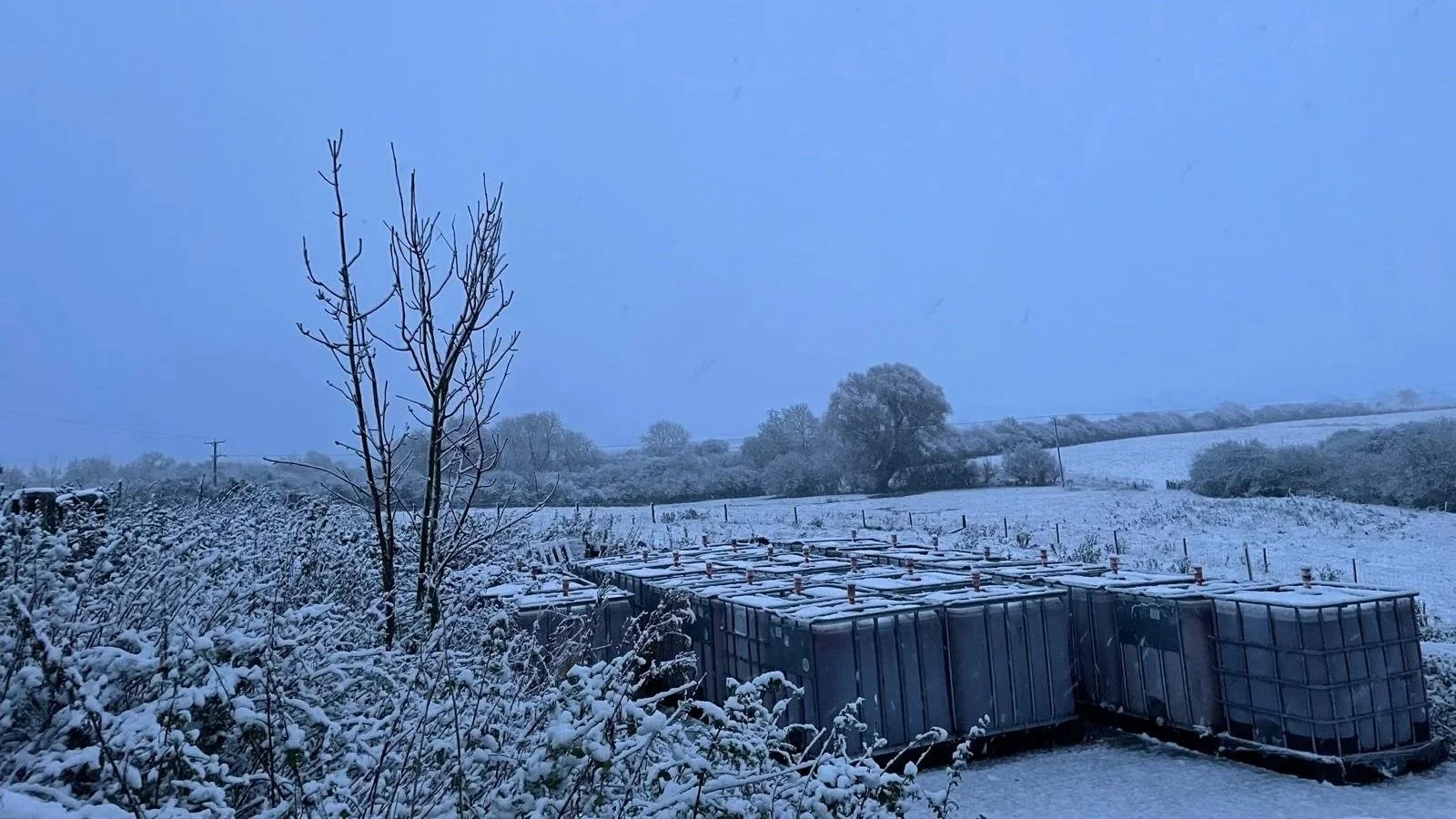
Here at the farm, the past week has brought consistently cold conditions, with temperatures dropping below freezing. While it might feel harsh for us, this kind of weather is exactly what our apple trees need.
Each frosty night adds to their chill-hour tally, helping ensure strong, synchronized flowering in spring and setting the stage for a healthy, productive harvest in autumn. It’s a reassuring reminder that winter weather plays a vital role in the orchard’s long-term success.
Looking Ahead to Spring
As we keep an eye on the weather and the seasons continue to turn, we know that these cold winter days are an investment in the months ahead. When blossoms fill the orchard in spring and apples ripen on the branches later in the year, it all traces back to this quiet, chilly time.