From Branch to Bottle: What Happens to Cider in Winter?
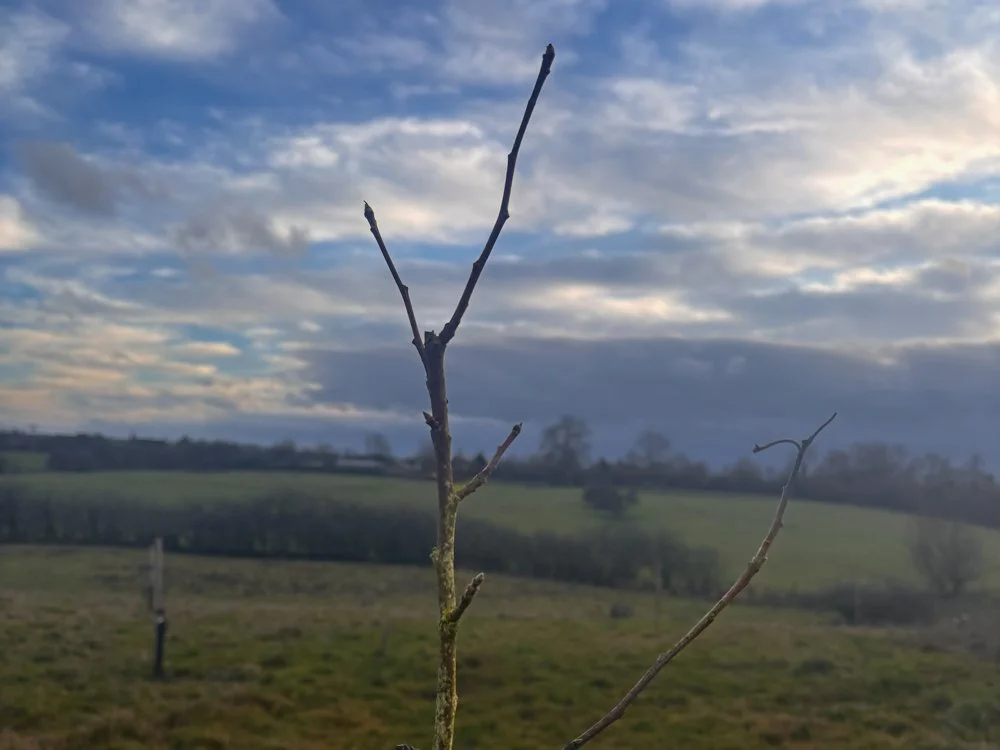
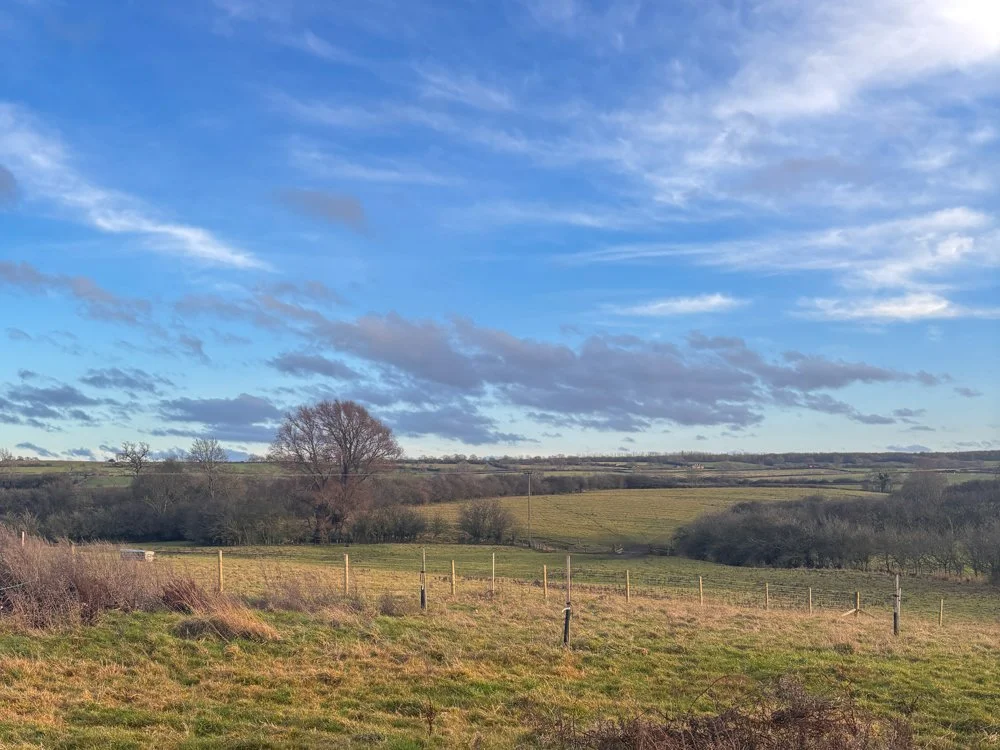
If you walk through the orchards right now, you might think the whole world has gone to sleep. The leaves have dropped, the branches are bare, and there’s a frost clinging to the grass that doesn’t lift until lunchtime. It’s a stark, quiet contrast to the manic energy of the autumn harvest, where we are pressing apples from dawn until dusk.
But while the trees are taking their well-earned rest, something incredible is happening inside the cidery.
People often ask me what we do in the winter. Do we hibernate like the orchards? Far from it. This is the season of maturation—the unsung hero of craft cider making.
The Quiet Magic in the Tanks
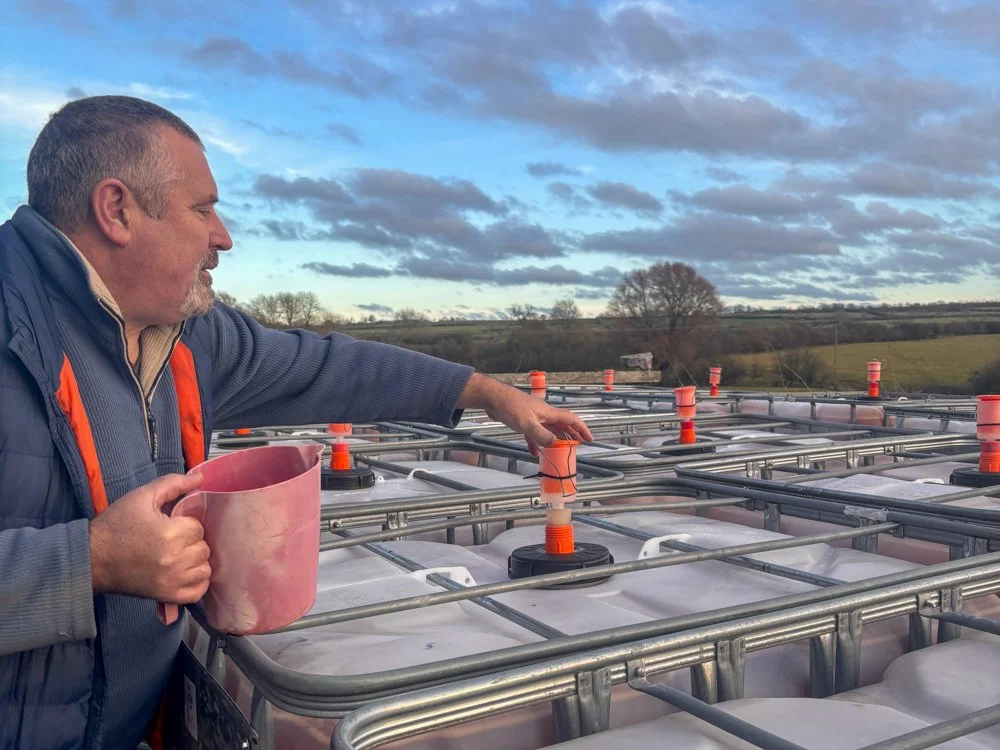
While the apple trees conserve their energy for the spring bud burst, the juice we pressed months ago is undergoing a profound transformation. It is no longer just apple juice, but it’s not quite the finished cider you pour into your glass yet, either. It is in a teenage phase—growing up, settling down, and finding its character.
Maturation is a waiting game, and patience is the most important ingredient we have. Inside our tanks, a series of slow, subtle chemical reactions are taking place:
Softening the Edges: Freshly fermented cider can sometimes be a bit sharp or "green." The cold winter months allow the harsh acids to mellow out, making the mouthfeel smoother and creamier.
Yeast Settling: The spent yeast slowly drifts to the bottom of the tank (a process called sedimentation). This clarifies the cider naturally, leaving us with a bright, clean liquid on top.
Flavour Integration: This is the best part. The alcohol, acids, and tannins begin to marry. It’s a bit like making a stew or a curry; it always tastes better the day after you cook it because the flavours have had time to mingle. The individual notes of the different apple varieties we use start to weave together into a single, complex profile.We could rush it. We could force-filter it and bottle it immediately. But that’s not the Napton way. We believe that good cider is made in the orchard, but great cider is made in the maturation tank.
During these cold months, the cider develops those deep, rich secondary flavours—notes of dried fruit, spices, or that distinct "farmyard" funk that cider lovers adore. This complexity can’t be faked; it can only be earned through time.
So, while the branches outside are bare and the days are short, know that inside the tanks, the magic is very much alive. We are carefully monitoring, tasting, and tweaking, ensuring that when the sun finally breaks through for spring, we have a cider that does justice to the apples that grew it.
Cheers to the winter wait!