The Myth of the Sleeping Orchard:
Why Winter is When the Magic Happens
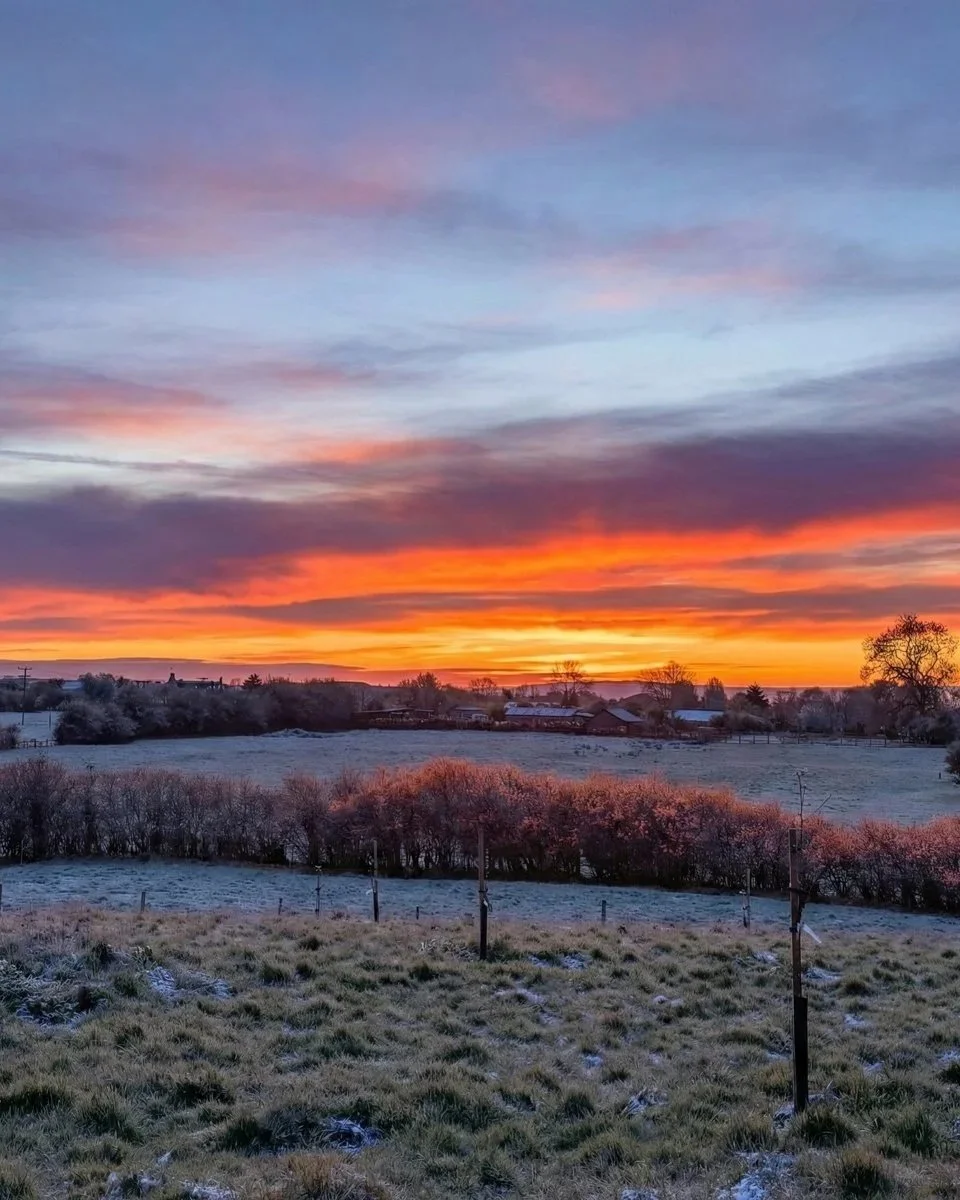
If you walk through our orchards right now, or gaze out from the Taproom across the Warwickshire countryside, you might be forgiven for thinking everything has ground to a halt. The trees are bare, the grass is frosted, and there’s a quiet stillness that settles over the farm in these dormant months.
But here’s the secret every cider maker knows: “Dormant” doesn’t mean dead.
In fact, winter is one of the busiest times of the year for the most important part of our cidery—the soil. While we’re busy in the cidery racking off the latest ferments and planning for the year ahead, the real heavy lifting is happening right beneath our boots.
The Underground Network
At Napton, we talk a lot about "provenance." Usually, that means knowing exactly where our apples come from (unsprayed, traditional orchards) and who picks them. But true provenance starts deeper than that.
During these cold months, the tree roots are far from asleep. They are actively engaging with the soil, storing up the energy they’ll need for that explosion of blossom in the spring. Because we source from traditional, unsprayed orchards, the soil structure here is teeming with life.
Without the interference of harsh chemicals or heavy machinery compacting the ground, the mycorrhizal fungi (a fancy word for the helpful mushroom networks underground) are hard at work. They act like a secondary root system, breaking down organic matter—fallen leaves, old wood, and winter decay—and feeding those nutrients back into the trees.
This is why we don't rush to "tidy up" the orchard floor too aggressively. That leaf litter isn't a mess; it's next year's nutrients. It’s also why our cider tastes the way it does. You can’t fake the flavour that comes from trees fed by a healthy, living ecosystem.
Winter Guests: Biodiversity in the Cold
One of the reasons we fought so hard for our B Corp Certification this past year is because we believe business should support nature, not just take from it. An unsprayed orchard is a sanctuary, especially in winter.
When you visit a commercial bush orchard, you often see rows of trees on bare earth. But in the traditional orchards we cherish, the dormant season reveals a bustling wildlife hotel.
The "Messy" Corners: We leave piles of dead wood and taller tufts of grass. These are vital hibernating spots for solitary bees, beetles, and hedgehogs waiting for warmer days.
Birdlife: With the leaves gone, you can spot the thrushes and fieldfares feasting on the few remaining windfalls or hunting for insects in the bark. They are our natural pest control squad for the coming season.
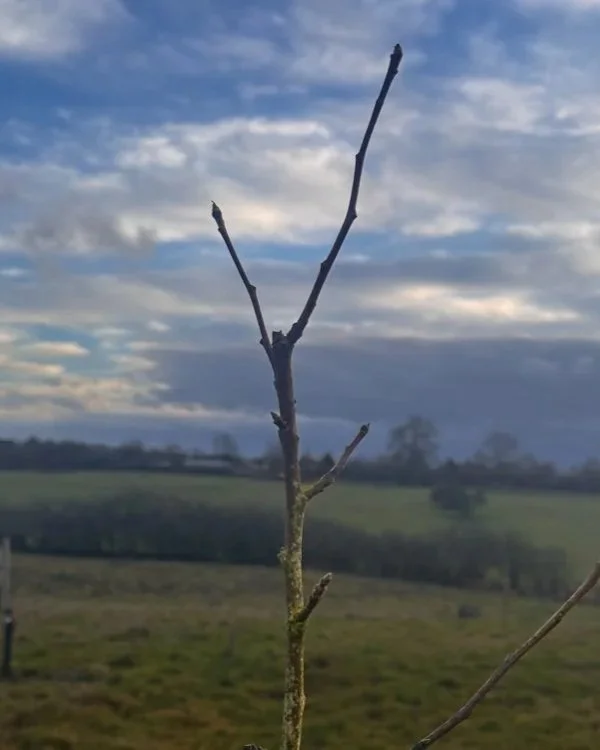
We’ve even planted our own orchard right here by the Taproom—dozens of new trees that are settling in for their first few winters. Watching them establish themselves is a reminder that we are planting for the next generation, not just the next harvest.
From Soil to Glass
Why does all this matter to the pint in your hand?
Because healthy soil and high biodiversity create resilient trees. Resilient trees produce apples with complex sugars, tannins, and acids that you just don’t get from industrial farming.
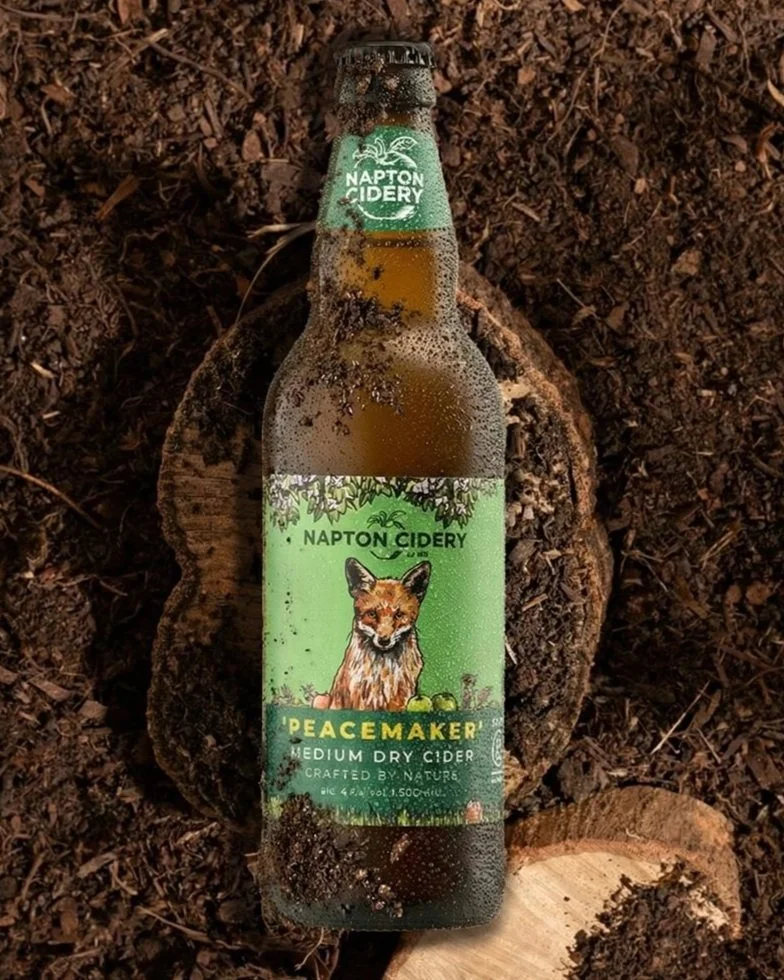
When you drink a glass of Napton—whether it’s Peacemaker or a limited-edition barrel-aged batch—you are tasting the result of a winter well spent. You’re tasting the work of the frost, the fungi, and the soil that has been allowed to breathe.
So, the next time you pop into the Taproom for a pint or a pizza, take a look at the sleeping trees outside. They aren't just resting. They’re preparing to give us our best harvest yet.
Cheers,
Jolyon