The Real Apple Revolution: Why the UK is Swapping Concentrate for Craft
For decades, the UK cider market was a tale of two halves. On one side, you had the "scrumpy" of the West Country—often misunderstood and shrouded in rustic mystery. On the other, the high-volume, industrial giants that dominated pub taps with "cider" made from concentrate, sugar, and more water than an autumn rainstorm.
But something has shifted. As we move through 2026, the landscape looks fundamentally different. The "over-ice" fruit cider boom of the early 2000s has matured into a sophisticated, quality-driven resurgence. Consumers are no longer just looking for a cold drink; they are looking for a story, a process, and—most importantly—real juice.
1. The "Juice Gap": Understanding the Craft Difference
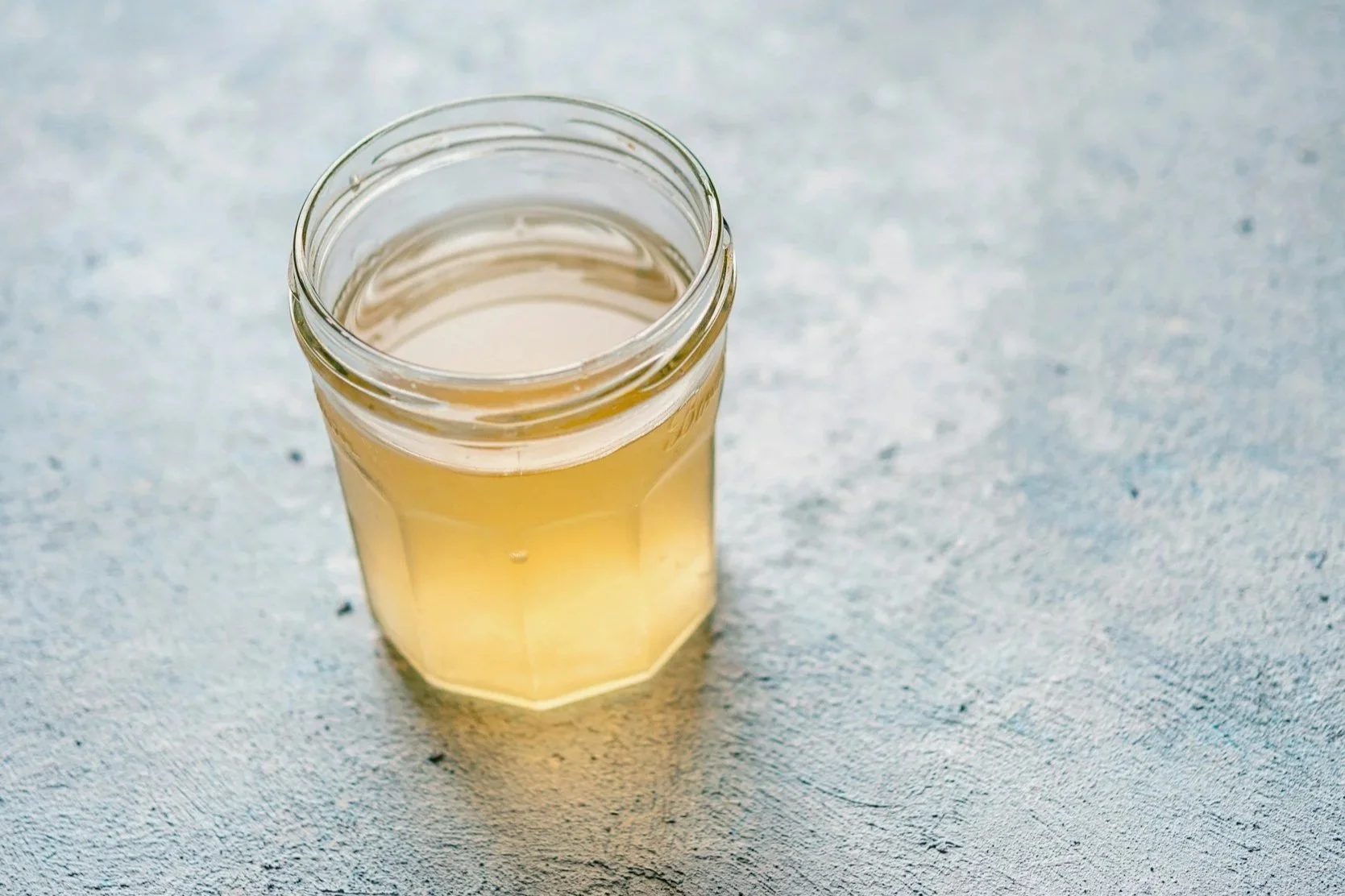
The biggest hurdle for the UK cider industry has always been the definition of the word "cider." Under current UK law, a drink can be called cider with as little as 35% apple juice, much of which can come from concentrate. The craft world, however, plays by a different set of rules. For the "New Wave" of British cider, anything less than 100% fresh-pressed juice is a compromise.
Consumers are waking up to this. Much like the craft beer revolution of the 2010s, drinkers are reading labels and asking where their apples are from.
Commercial Cider: Often fermented from concentrate, diluted, and mass-produced for high-volume consistency.
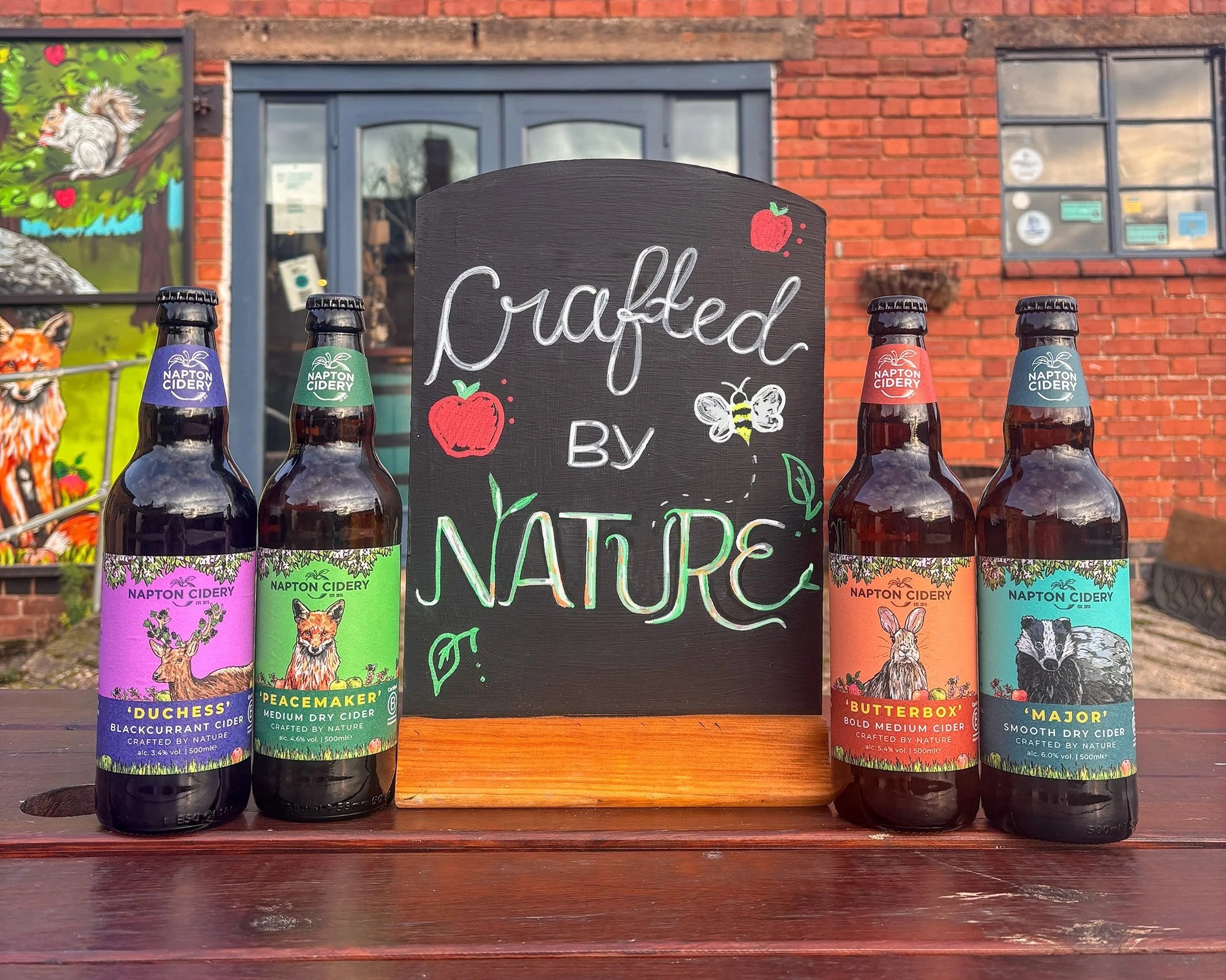
Crafted Cider: Typically pressed from heritage apple varieties, fermented slowly, and often matured to develop a bold intensity of flavour.
2. Industry Trends: Premiumisation Over Volume
The 2025 market data reveals a clear trend: while the total volume of cider purchased in the UK has seen a slight decline of 3.1%, the total market value has actually increased to £3.09 billion. This indicates a profound shift toward Premiumisation—people are drinking "less but better".
The Growth of Crafted
The "crafted" segment—comprising traditional and heritage products—is currently the engine of growth for the entire category.
Off-Trade: Crafted cider grew by 11.1% in value over the last year, contributing an additional £26.3 million to the category.
Convenience Sector: This growth is even more pronounced in convenience stores, where crafted value sales surged by 14.6%.
On-Trade: In pubs and bars, premium and crafted brands now account for over 67% of draught apple cider volume as consumers consciously trade up from mainstream options.
The Price of Quality
This shift is reflected at the till. In the on-trade, the average price of a pint of cider has risen to £4.48. However, consumers are proving willing to pay significantly more for quality; premium crafted draught options now command an average retail price of £4.90, with some high-end vintage varieties reaching nearly £6.00 per pint.
3. The Rise of the "Conscious Drinker"
Why the sudden shift? It comes down to transparency and the changing profile of the cider drinker.
Affluent Demographics: The crafted segment attracts the highest proportion of affluent shoppers, with nearly 66% of spend coming from the ABC1 demographic.
Moderation: The trend toward health and wellness is driving a boom in Low & No alcohol cider, which saw a staggering 26.4% value growth in the off-trade last year.
The "Treat" Mentality: Shoppers are increasingly motivated by the desire to "treat or reward" themselves, choosing a single high-quality bottle over bulk-buying mainstream packs.
4. On-Trade Evolution: Taps and Timing
The pub experience is also changing. Draught cider remains the dominant format, accounting for nearly 77% of on-trade sales. Interestingly, the "cider occasion" is moving earlier in the day. 56% of on-premise visits now occur during the Early Evening (5pm-8pm), a time when refreshing, premium apple ciders are perfectly placed to compete with
world lagers.
The Verdict
The UK cider market is reclaiming its heritage. By shedding its "cheap and cheerful" image, the industry is proving that it can produce a world-class fermented beverage that rivals wine in complexity and craft beer in innovation. The message from the orchards is clear: The concentrate era is cooling off, and the era of the apple is just getting started.